Why Hotel Pillows Feel Different (It's Not What You Think)
Most of us assume there's an expensive mattress behind that check-in-night feeling. There usually isn't. It comes from a handful of small habits, and you can copy almost all of them tonight.

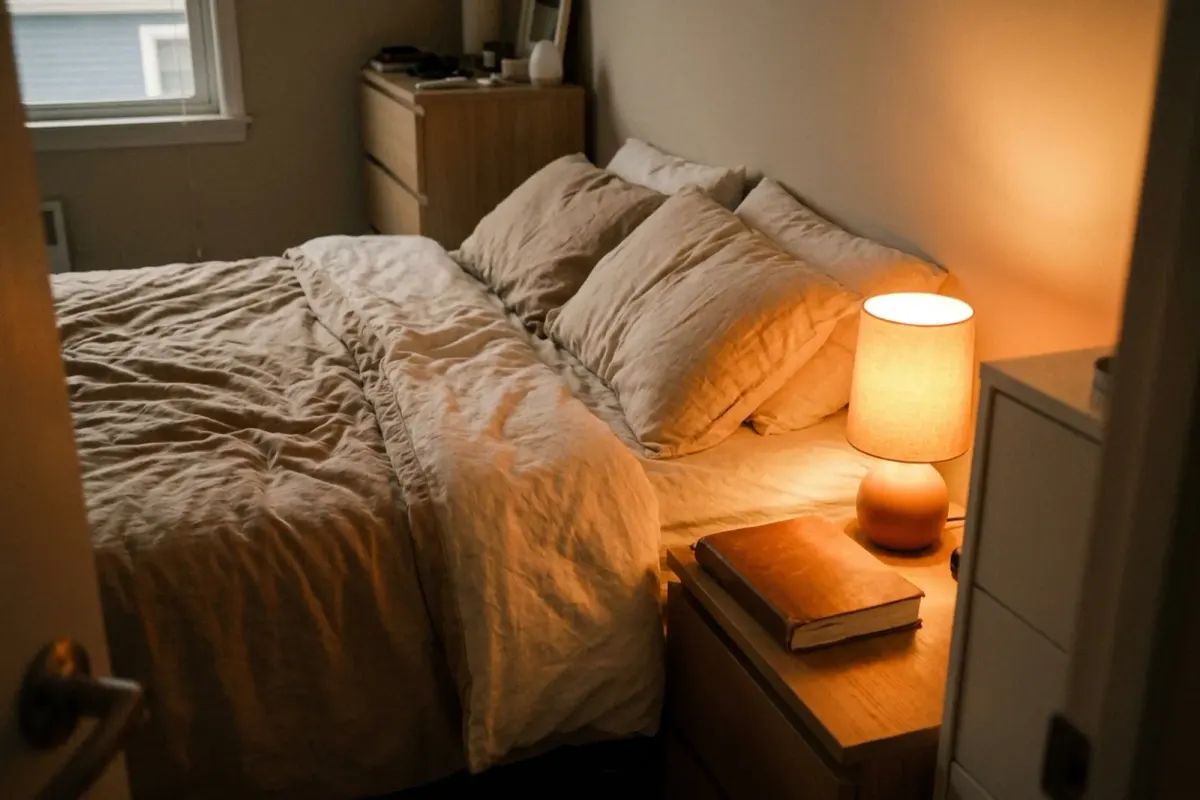
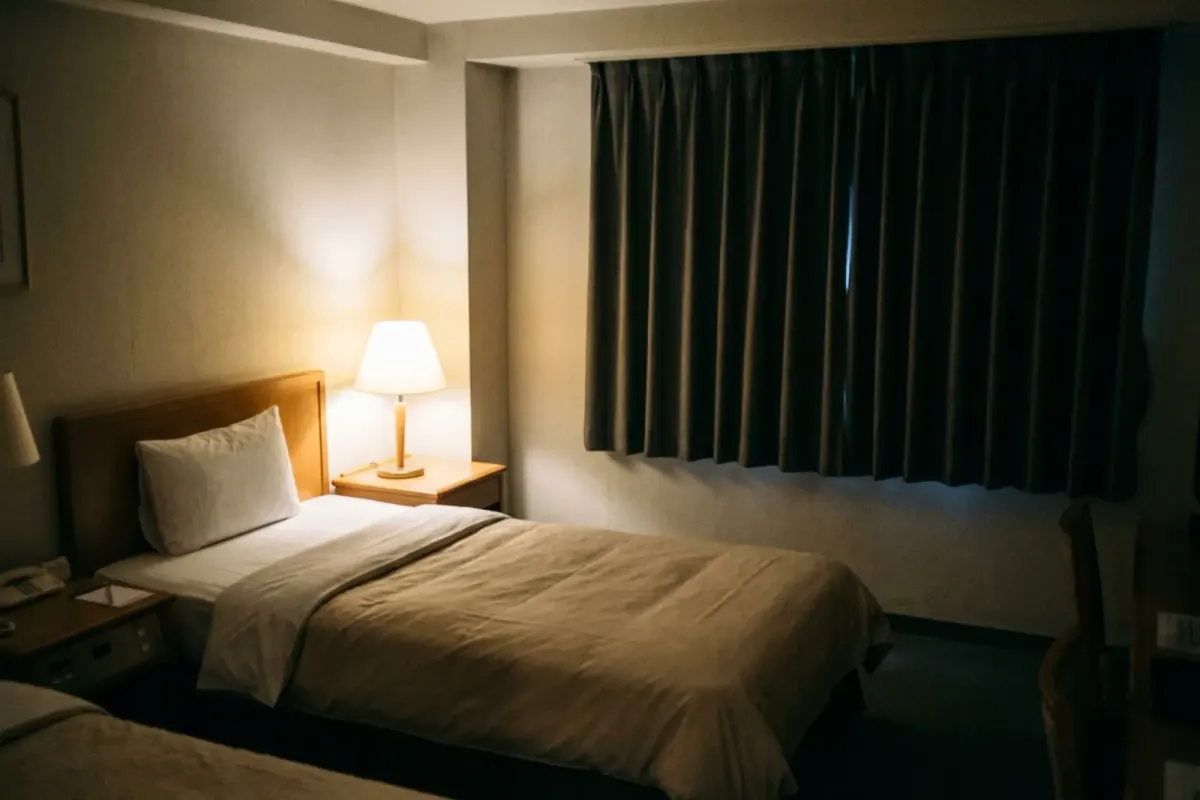
You know the moment. Shoes off, bag down, and you fall backward onto a hotel bed. The duvet puffs up around you, the sheets are cool, and one pillow holds its shape while the other lets your head sink in.
Then you get home to your own bed and wonder why it never feels like that.
Most people guess it's the mattress, or some special pillow you can't buy. In most hotels, it's neither. The feeling comes from the whole bed being built in layers, kept fresh, and placed in a room that's set up for sleep. None of that needs a hotel budget.
It's a system, not a single product
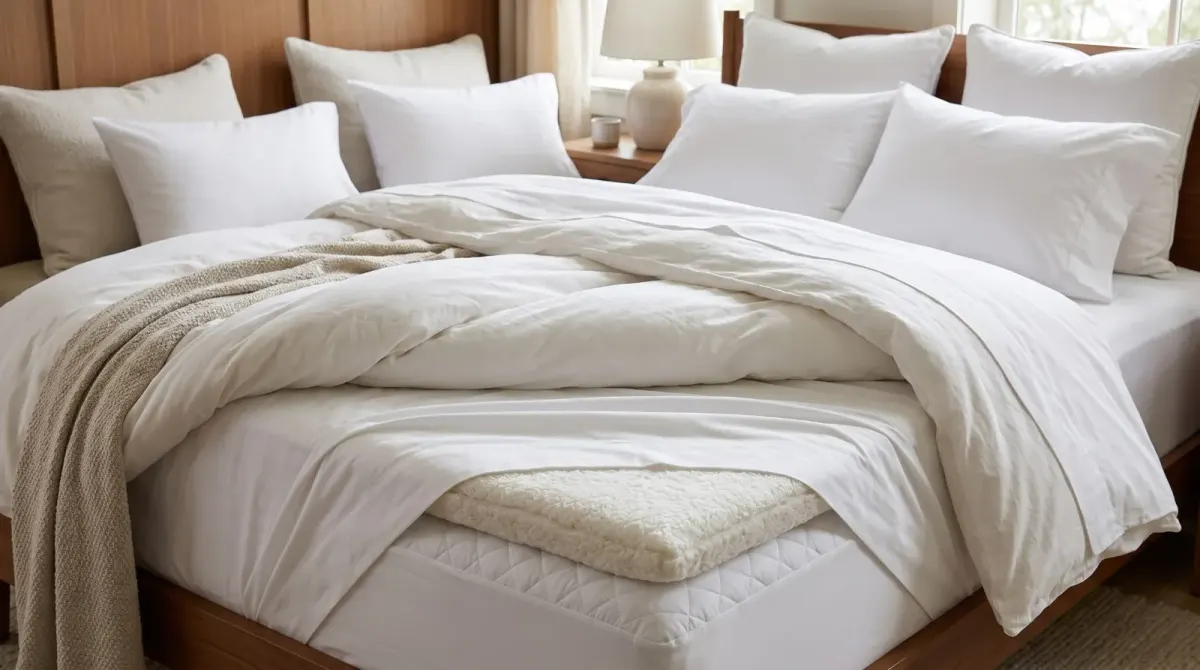
Buying one great pillow and expecting it to fix everything is the most common mistake. Hotel beds feel good because several ordinary layers each do one job. Change one layer and you'll notice a little. Change all of them and you'll notice a lot.
Layer 1: A flat, smooth base
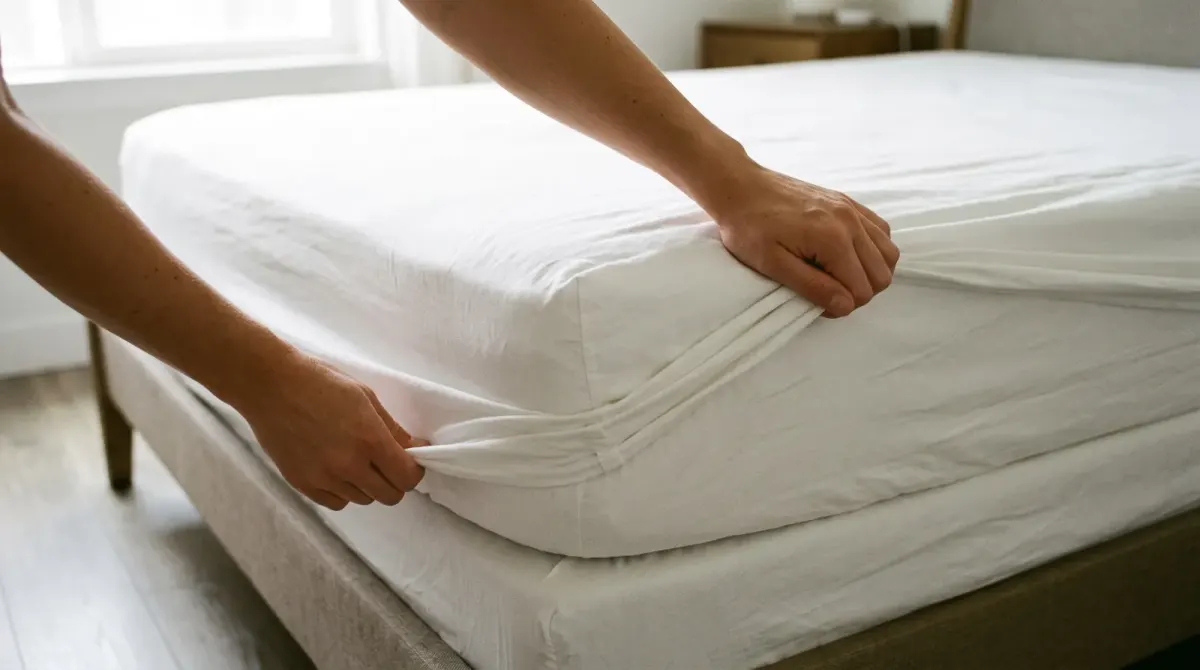
Under everything there's usually a mattress protector, fitted tight with no wrinkles or slipping corners. It sounds minor, but every crease underneath eventually shows through the sheets. A smooth base is why the top of a hotel bed looks, and feels, like one clean surface.
Layer 2: Softness on top, support underneath
That cloud-like feel often comes from a topper laid over a firmer mattress, not from a mattress that's soft all the way through. You get the plush first impression without sinking. If your mattress is fine but feels flat, a topper is a cheaper fix than a new mattress.
Layer 3: Two sheets, not one
Hotels tend to use both a fitted sheet and a flat sheet, pulled taut and tucked in. The fabric matters more than the thread count on the packet:
- Percale feels crisp and cool, like a fresh shirt.
- Sateen feels smoother and a little warmer.
Pick the one that suits how warm you sleep.
Layer 4: A plain duvet in a white cover
Instead of one heavy comforter, many hotels put a simple duvet insert inside a washable cover. Housekeepers shake it out so the filling reaches the corners. That's why it looks full rather than lumpy. White covers also make "clean" visible, which is part of the feeling.
Layer 5: Pillows you choose, not pillows you move
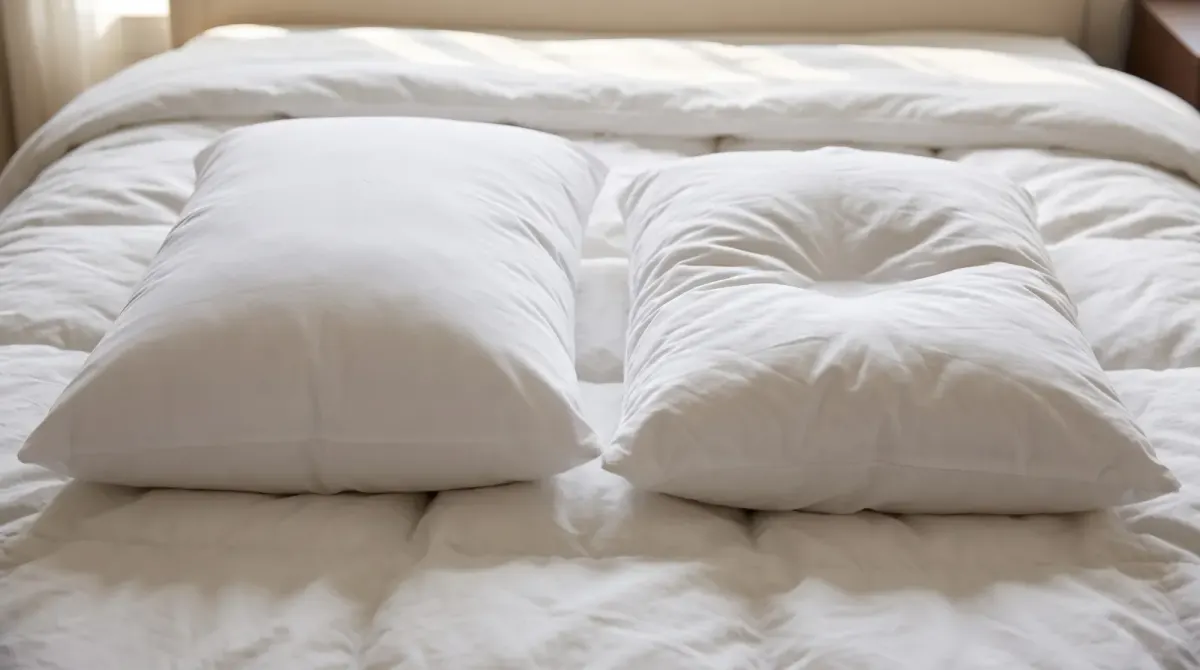
Hotels usually give each person two sleeping pillows, one firmer and one softer, and nothing else. No decorative pile to clear before you can lie down. You pick the one your neck likes that night.
Layer 6: Fresh, every time
This is the part that's easiest to forget. A hotel bed feels new partly because it's stripped and washed between guests. At home, sheets that stay on a little too long lose that crisp, cool feel without us noticing. Washing more often, following the care labels, does more than people expect.
The room is half of it
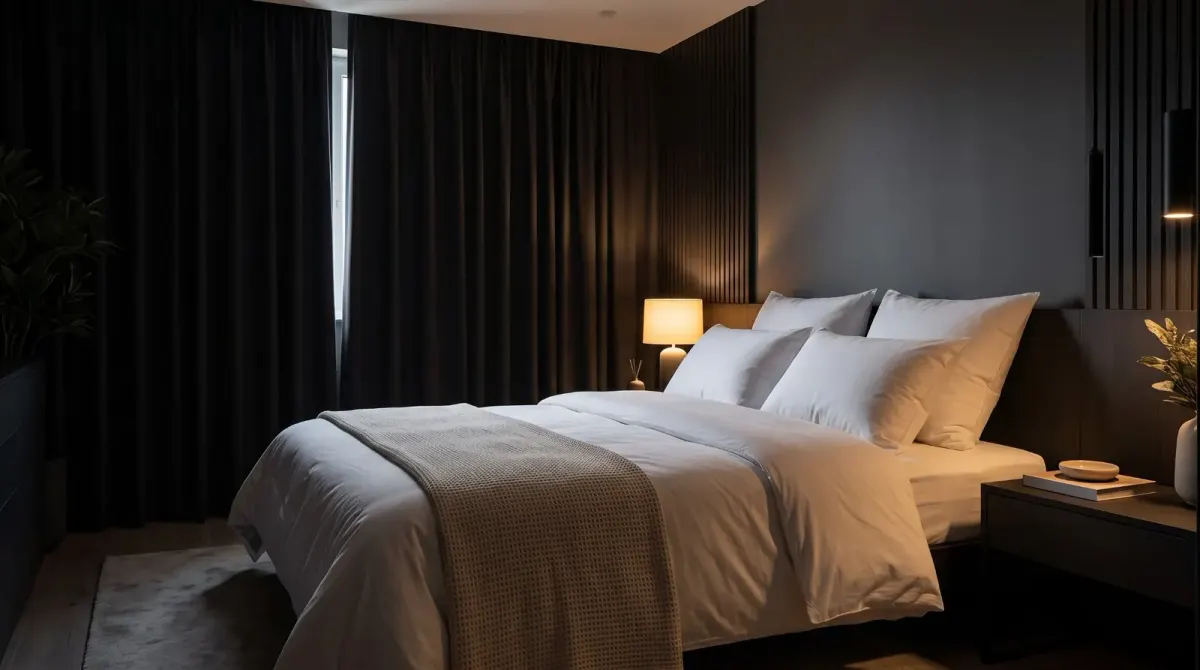
The bed isn't the only thing hotels get right. Hotel rooms tend to be cool, dark and quiet, with blackout curtains that actually meet, a warm lamp instead of a bright overhead light, and nothing on the bed but the bed. Sleep experts generally recommend a cool bedroom; the Sleep Foundation suggests around 65°F.
There's also a twist: research on the "first-night effect" suggests people often sleep a little lighter in a new place, because part of the brain stays more alert. So hotel beds feel wonderful even while working against that. Imagine the same setup in the room where you already feel at home.
Try this tonight (you probably own everything already)
- Wash and change the sheets, using a fitted and a flat sheet.
- Pull the flat sheet taut and tuck it in firmly.
- Shake the duvet so the filling spreads into the corners.
- Take the throw pillows off. Leave two sleeping pillows each, one firmer and one softer.
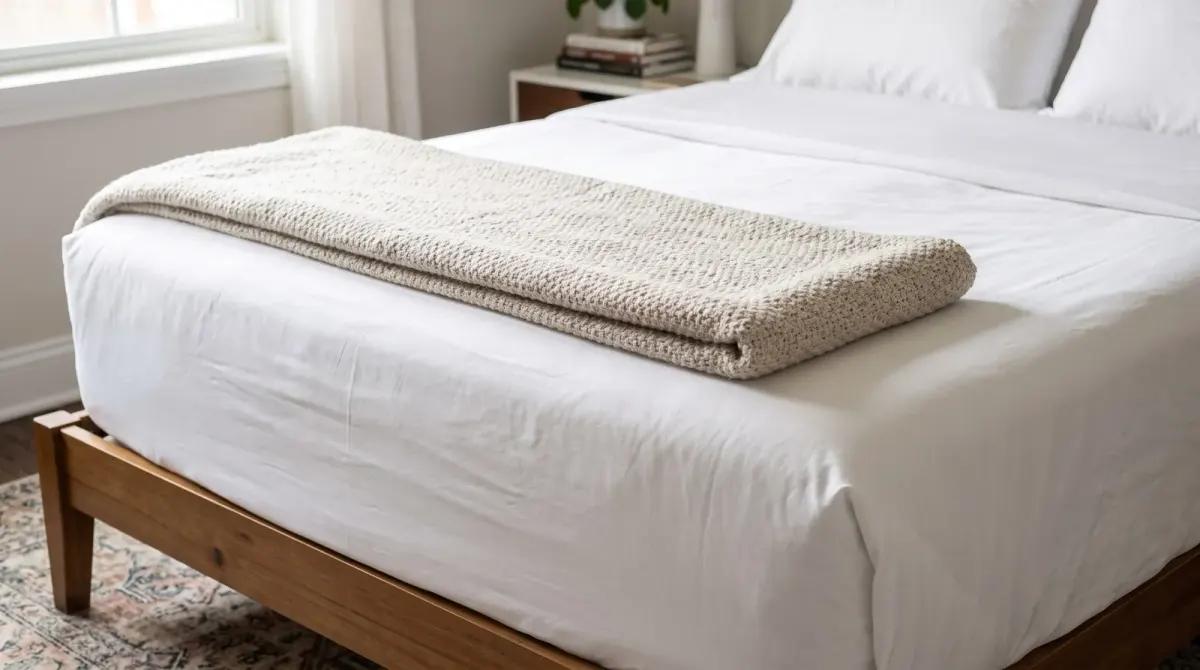
- Fold a throw blanket at the foot of the bed.
- Clear the nightstand, close the curtains, switch to a lamp, and turn the thermostat down a couple of degrees.
If you want to go further
Do it gradually. A topper, percale or sateen sheets, a duvet insert with a white cover, and blackout curtains each add one more piece of the feeling. Weekly washing is what keeps it.
It won't be a hotel. But it can feel like check-in night, without the key card.
Sources
- Sleep Foundation. Best Temperature for Sleep.
- Tamaki M, Bang JW, Watanabe T, Sasaki Y. Night Watch in One Brain Hemisphere during Sleep Associated with the First-Night Effect in Humans. Current Biology. 2016;26(9):1190–1194.
Spotted a mistake? Tell us and we’ll fix it.