What Sleep Researchers Actually Do Before Bed
No expensive gadgets, no complicated rituals. The habits sleep scientists recommend most often are boring, cheap and surprisingly effective.
Ask people who study sleep for a living what they do at night and you won't hear about smart rings or special supplements. You'll hear about the same handful of habits, again and again. None of them are exciting. That's rather the point.
They keep the same wake-up time, every day
The most common advice from sleep scientists isn't about bedtime at all. It's about getting up at the same time every morning, weekends included. Your body clock runs on routine, and a regular wake-up time anchors it. Sleeping in until noon on Sunday is a little like flying to another time zone and back.
They get daylight in the morning
Bright light early in the day helps set your body clock, which makes it easier to feel sleepy at the right time in the evening. A short walk outside in the morning does more than any bedside lamp. Even on a cloudy day, outdoor light is far brighter than indoor light.
They stop caffeine early
Caffeine lingers. Your body clears only about half of it every 3 to 5 hours, so a coffee at 4 p.m. is still partly working at bedtime. In one study, caffeine taken 6 hours before bed cut sleep by an hour. Many researchers have their last coffee around midday. You might fall asleep after an evening espresso, but caffeine can still make your sleep lighter.
They're careful with alcohol
A nightcap can help you nod off, but alcohol tends to break up sleep in the second half of the night. That's why a few drinks often lead to waking at 3 a.m. Sleep researchers who drink usually keep it earlier in the evening, and moderate.
They dim the lights and wind down
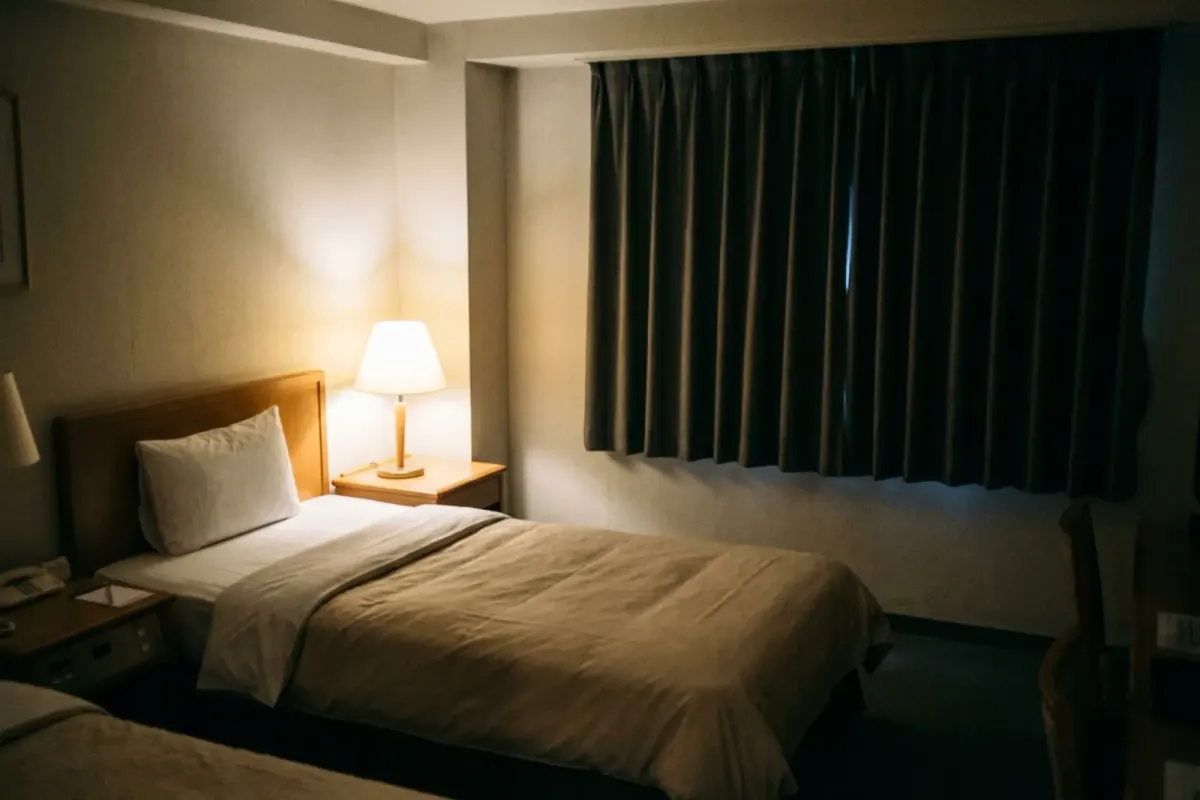
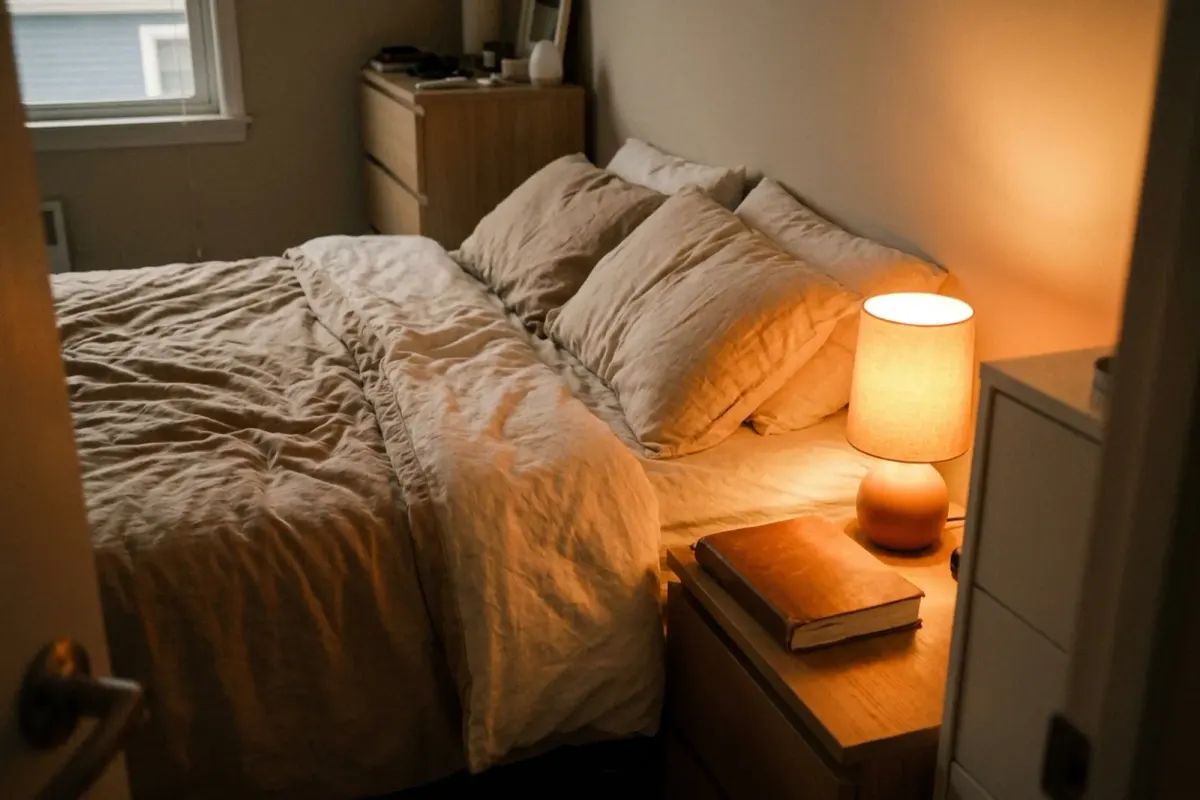
An hour or so before bed, they turn the main lights down and switch to lamps. Bright light at night can slow the body's release of melatonin, the hormone that signals it's night. The wind-down itself matters too: reading, a bath, tidying up, anything calm and repeatable.
They keep the bedroom cool, dark and quiet
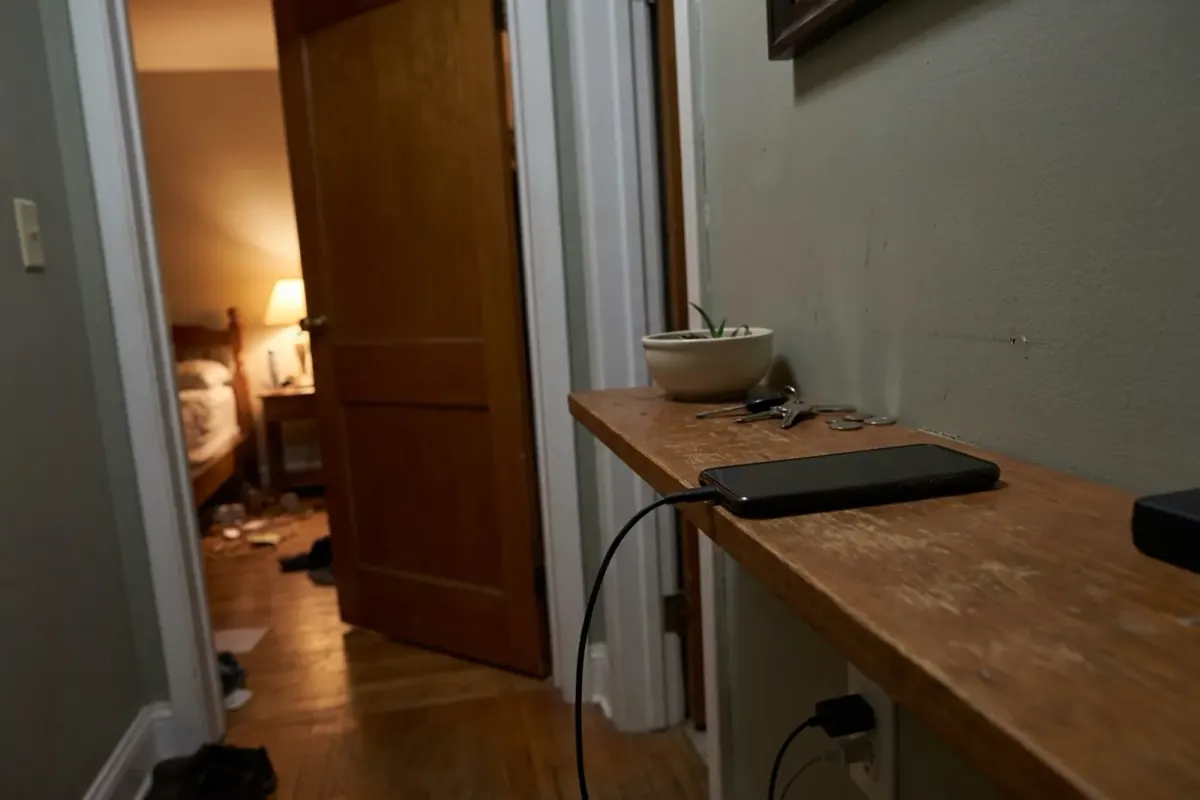
Most people sleep best in a slightly cool room, often quoted as around 65 to 68°F (18 to 20°C). Blackout curtains or an eye mask deal with light, and earplugs or a fan deal with noise. Many also charge their phone outside the bedroom, which removes the temptation to check it at 2 a.m.
They don't fight a bad night
If they can't sleep after what feels like 20 minutes, many get up and do something quiet in dim light until they feel sleepy again. Lying in bed frustrated teaches the brain that bed is a place for worrying. They also don't panic about one bad night. The body is good at catching up.
The short version
- Same wake-up time every day
- Morning daylight
- Last coffee around midday
- Go easy on alcohol, especially late
- Dim lights an hour before bed
- Cool, dark, quiet bedroom
- Get up if you can't sleep
If you keep sleeping badly despite good habits, or you snore loudly and wake up exhausted, talk to a doctor. Problems like sleep apnea are common and treatable.
Sources
- American Academy of Sleep Medicine. Healthy sleep habits. Sleep Education.
- American Academy of Sleep Medicine. Sleep and caffeine. Sleep Education.
- Centers for Disease Control and Prevention. About Sleep.
- Sleep Foundation. Light and Sleep and Best Temperature for Sleep.
- A 2013 review of alcohol and sleep in Alcoholism: Clinical & Experimental Research, as reported by ScienceDaily.
Spotted a mistake? Tell us and we’ll fix it.