A Kitchen That Lasts: How to Care for the Tools You Use Every Day
The tools you reach for every day don't usually fail from age. They fail from a few small habits. Change those and your knives stay sharp, your boards stay smooth, and your pans keep cooking the way they did on day one.
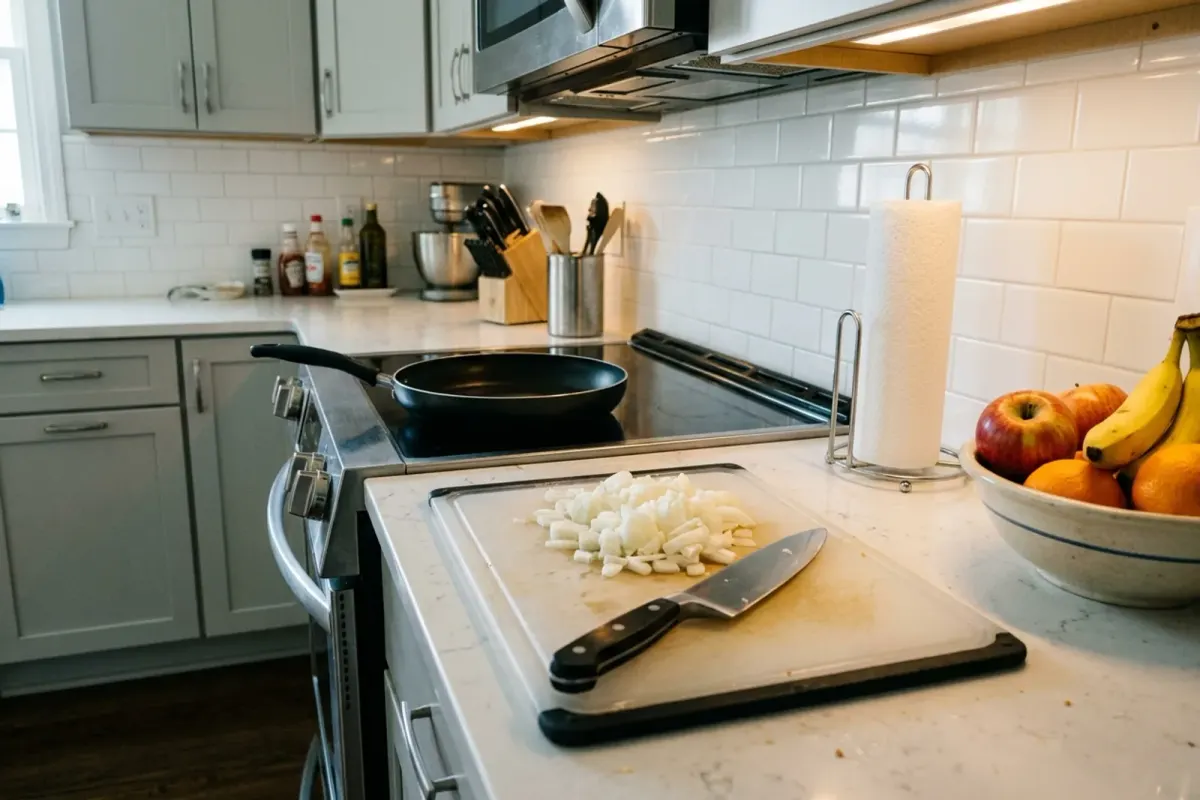
Most kitchens have one knife that's "the good one," a cutting board with a mysterious dark groove, and a pan that used to be nonstick. None of that is bad luck. It comes from a handful of habits, and most of them take less than a minute to fix.
Here's how to look after the three tools you use most.
Knives: sharp is a habit, not a purchase
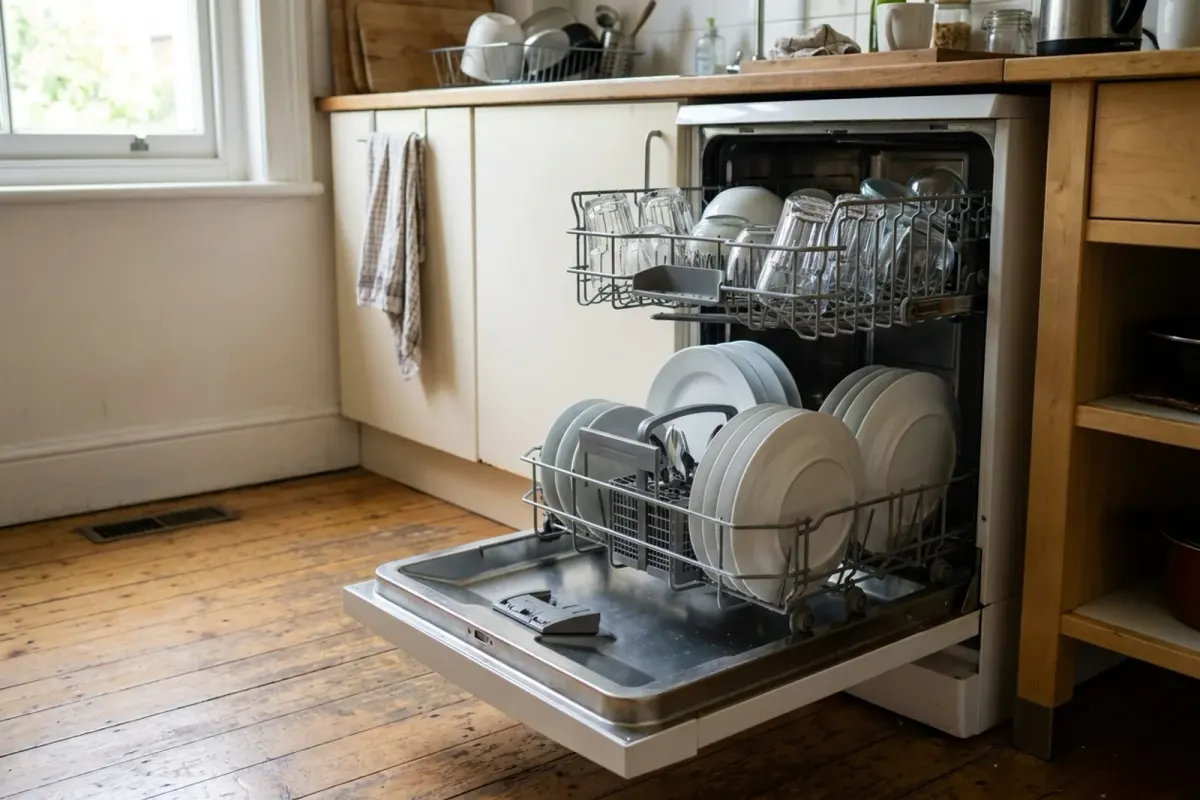
Keep them out of the dishwasher. The heat, detergent and rattling against other things dull the edge and can damage handles. Wash by hand with warm, soapy water, then dry straight away.
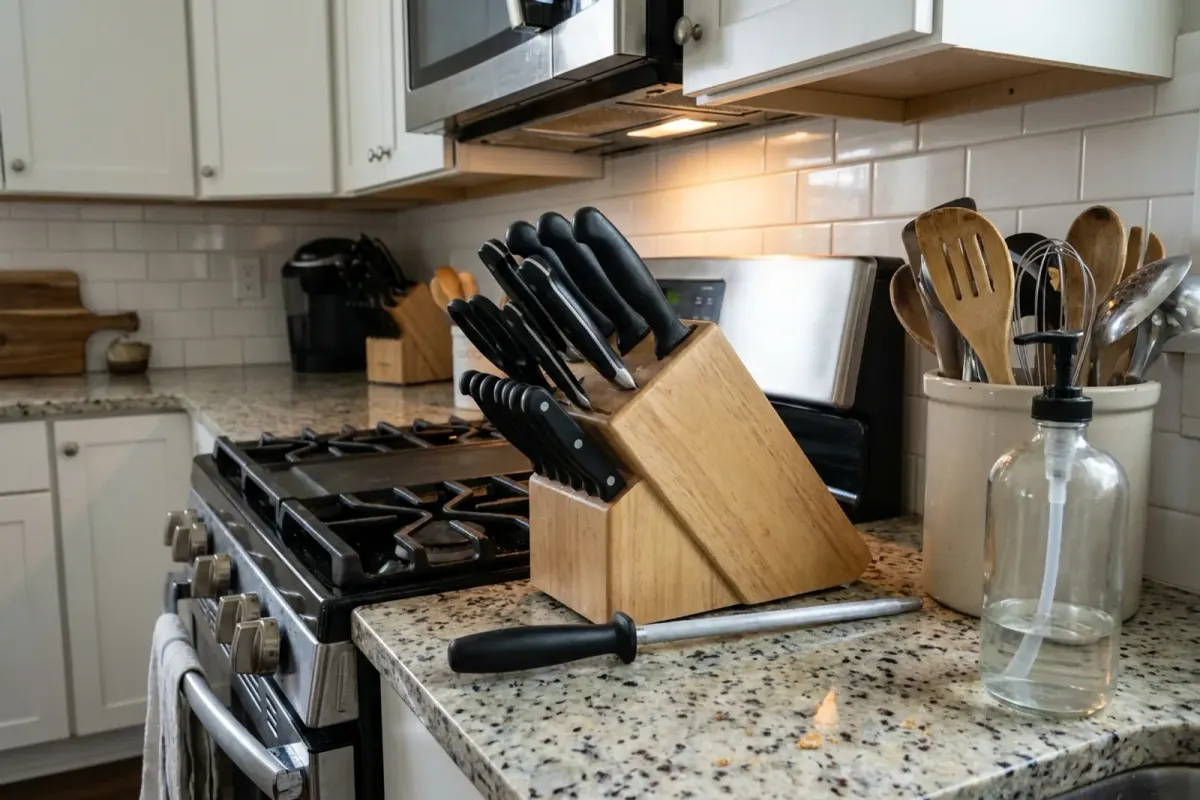
Hone often, sharpen rarely. Honing (a few strokes on a honing steel) straightens an edge that has bent slightly with use. Sharpening grinds away metal to make a new edge. Most home knives need honing every week or two and sharpening only a few times a year.
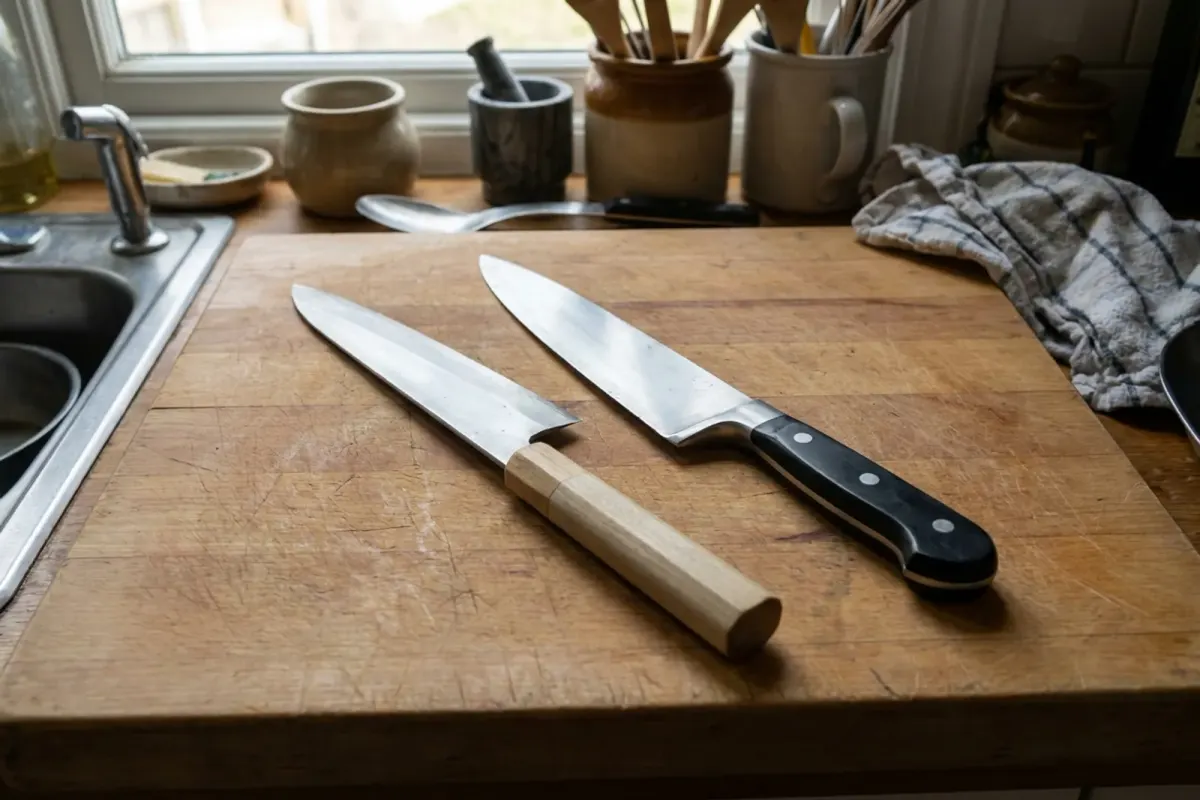
Store them so the edge touches nothing. A loose drawer is where good knives go to get dull. A knife block, a magnetic strip or a simple blade guard all work.
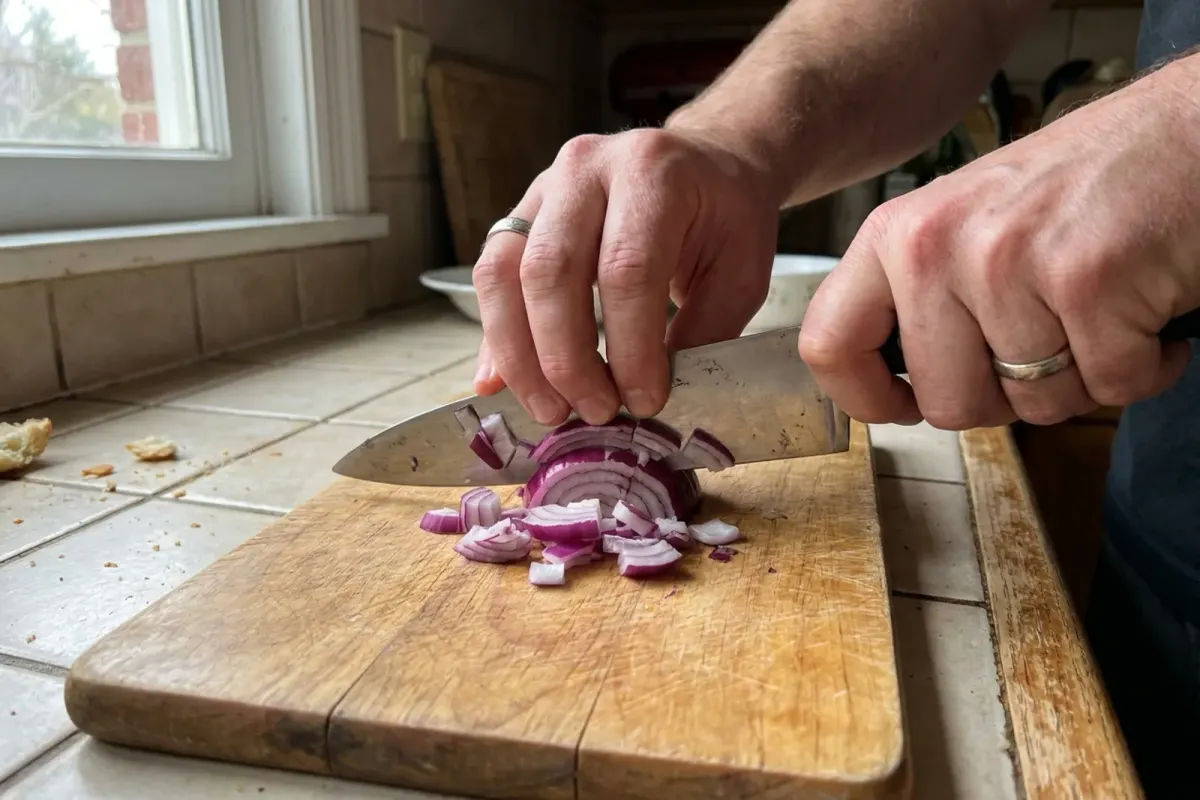
Cut on the right surface. Glass, stone and ceramic boards (and plates) dull knives fast. Wood and plastic are much kinder to an edge.
Cutting boards: the tool that protects your knives
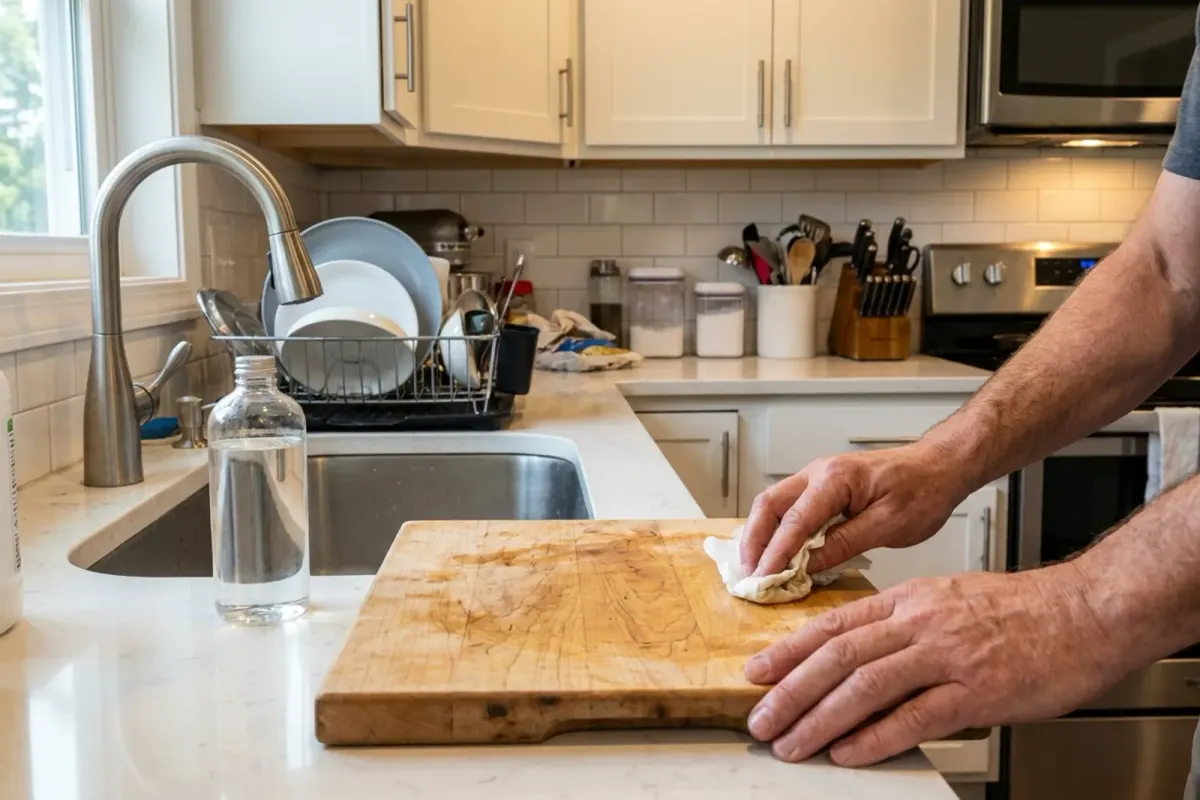
Wooden boards: wash, dry, oil. Wash by hand and don't soak them, because standing water makes wood swell and crack. Dry the board standing on its edge so air reaches both sides. Every few weeks, or when it looks pale and dry, rub in a thin coat of food-safe mineral oil and let it soak in overnight.
Plastic boards: replace when grooved. Plastic is easy to wash, often dishwasher-safe, but deep knife grooves are hard to clean properly. When a board feels rough and scarred, it's time for a new one.
Use more than one board. Many cooks keep one board for raw meat and fish and another for everything else. Food safety guidance generally recommends keeping raw meat apart from ready-to-eat food. Different colors make it easy to remember.
Pans: each type wants something different
Nonstick: gentle heat, gentle tools. Nonstick coatings last longest on low to medium heat, with wooden or silicone utensils instead of metal. Wash by hand with a soft sponge. When the coating is visibly scratched or flaking, it's time to replace the pan.
Stainless steel: preheat, then oil. Most sticking in stainless pans comes from adding food too early. Heat the empty pan first, then add oil, then food. Discoloration or stuck-on bits come off with a soak and a paste of baking soda and water.
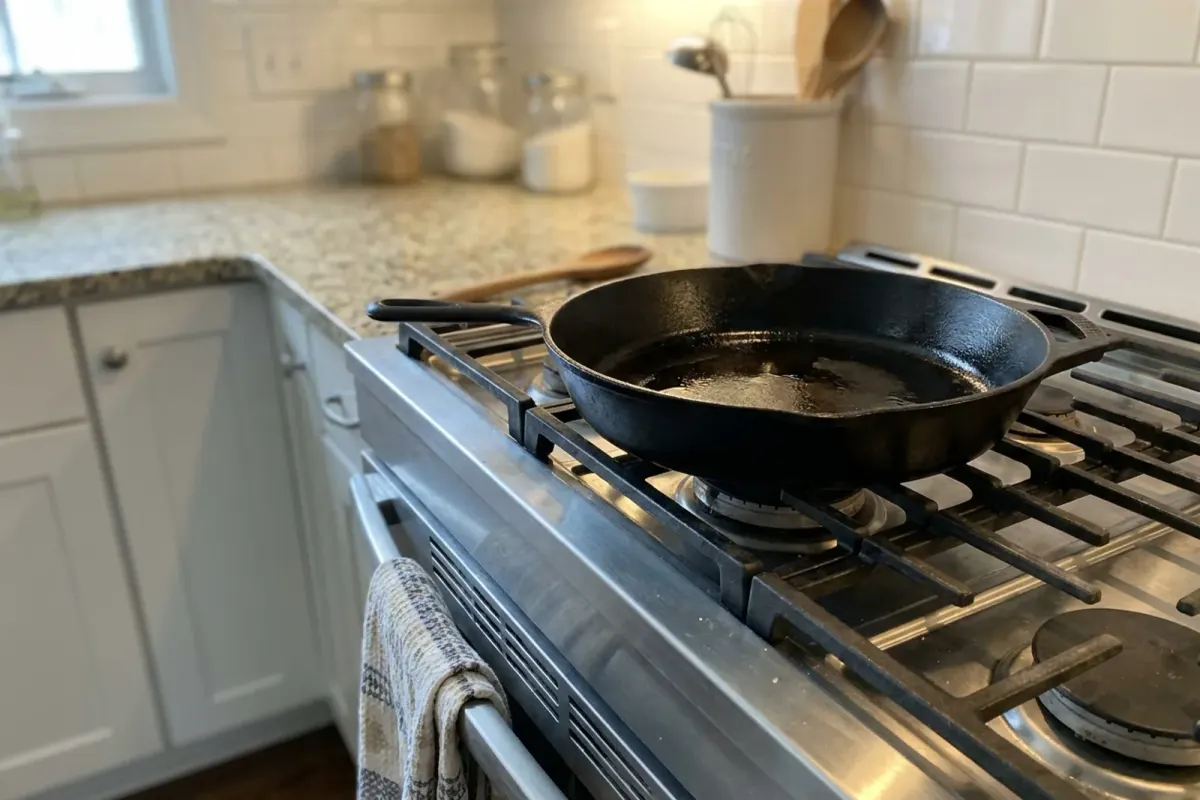
Cast iron: dry it on the heat. Wash quickly (a little soap is fine), dry thoroughly, then put it on the stove for a minute to drive off the last moisture. Wipe in a very thin layer of oil while it's warm. That's how the slick "seasoning" builds up over time.
For every pan: let it cool first. Plunging a hot pan into cold water can warp it, so it no longer sits flat on the burner. A few minutes on the stovetop first saves the pan.
The 5-minute kitchen care routine
Once a week, maybe on a quiet Sunday:
- Hone your main knives with a few strokes each.
- Check your boards. Oil the wooden ones if they look dry.
- Look over your nonstick pans for scratches or flaking.
- Wipe the knife block or magnetic strip clean.
- Put away anything that's been living in the dish rack.
If you want to go further
Upgrade one tool at a time, starting with the one you use most. In most kitchens that's the chef's knife or the everyday pan. A good tool you look after will outlast three cheap ones you don't.
Look after your tools and they'll look after your cooking.
Spotted a mistake? Tell us and we’ll fix it.