The Dishwasher Mistakes Almost Everyone Makes
Rinsing first, cramming it full, never touching the filter. Small habits explain most cloudy glasses and gritty plates, and fixing them costs nothing.
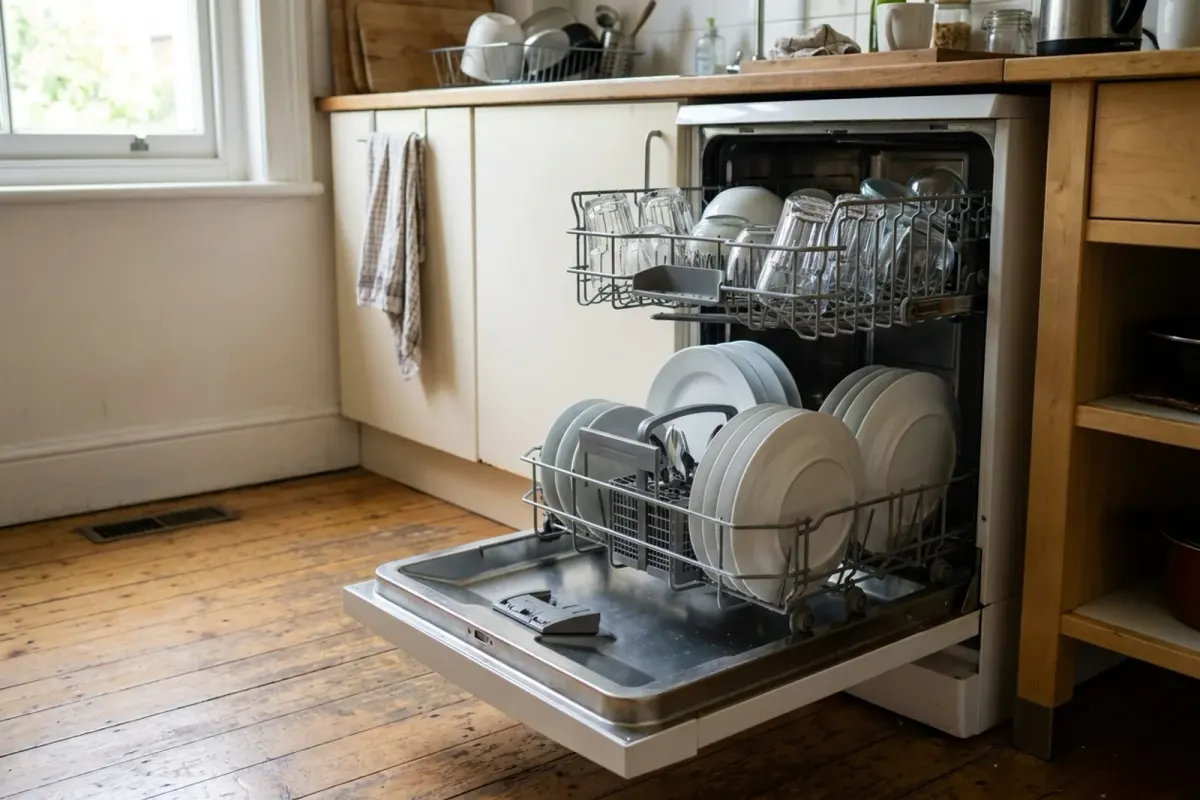
If your dishwasher leaves plates gritty, glasses cloudy or a funny smell behind, the machine usually isn't the problem. A few common habits are. Here are the ones that make the biggest difference.
1. Rinsing everything first
It feels responsible, but most modern dishwasher detergents contain enzymes that work by breaking down food. Give them nothing to grip and they don't work as well. Many machines also have sensors that judge how dirty the water is and run a lighter cycle if the dishes look clean.
Instead: scrape food into the bin and load the dishes as they are. Only soak things with burnt-on or dried-on food.
2. Never cleaning the filter
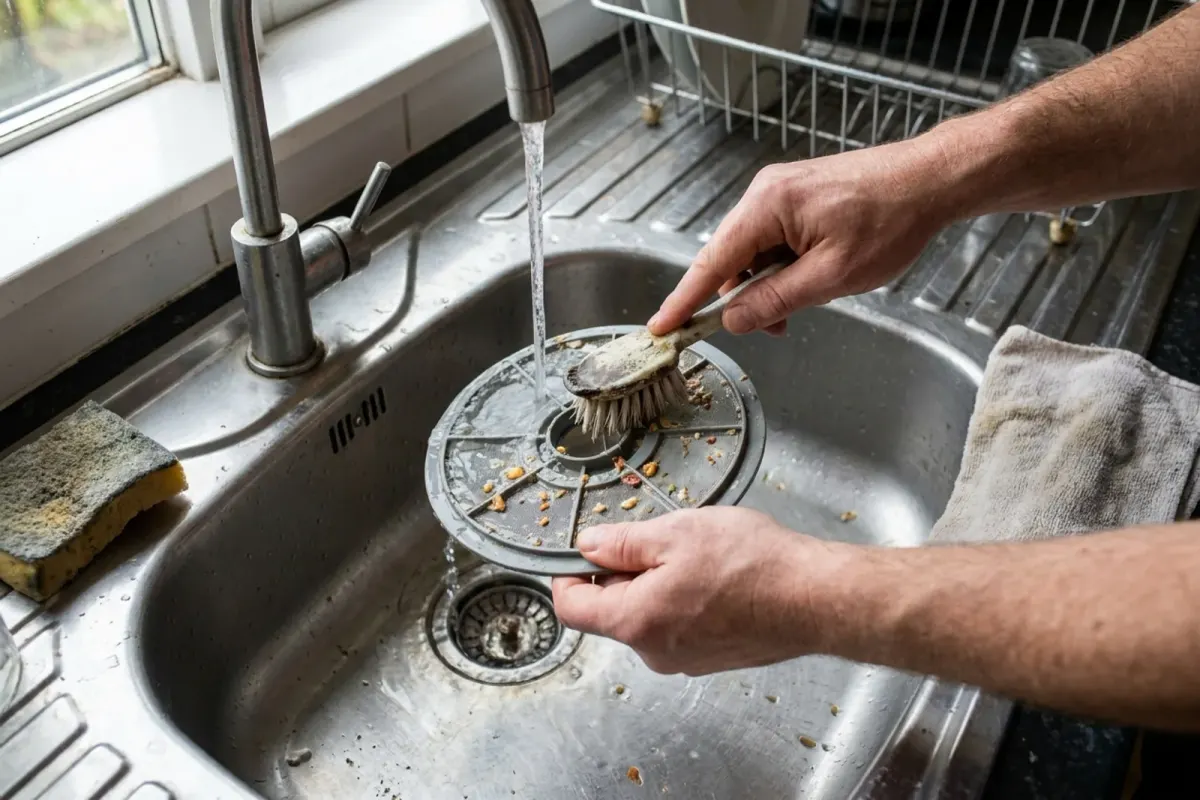
Most modern dishwashers have a filter at the bottom that you're meant to clean yourself. When it clogs, dirty water gets sprayed back onto your dishes, and the machine starts to smell.
Instead: twist out the filter about once a month, rinse it under the tap and give it a gentle scrub with a soft brush. Check your manual for exactly how yours comes out.
3. Overloading it
Plates crammed together and bowls stacked inside each other block the water. Large pans and trays can stop the spray arms from turning at all.
Instead: leave space between items, face the dirty sides toward the centre, and give the spray arms a spin by hand before you start to make sure nothing is in the way.
4. Putting things in the wrong rack
The bottom rack gets the strongest spray and the most heat. The top rack is gentler.
Instead: plates, pots and heavily soiled items go on the bottom. Glasses, cups, plastic and small bowls go on top. Mix up the cutlery in the basket, with some handles up and some down, so spoons don't nest together.
5. Washing things that shouldn't go in
The dishwasher shortens the life of some kitchen tools:
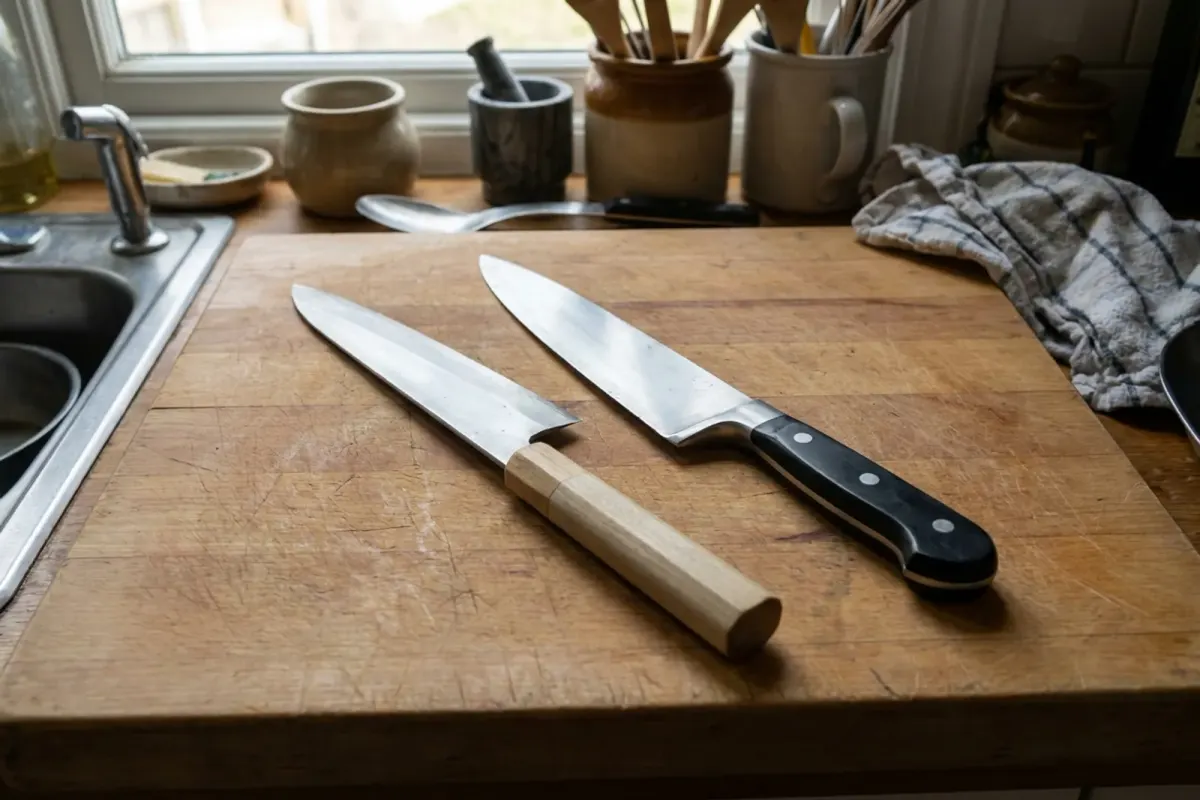
- Good knives: the heat and knocking dulls the edge
- Wooden boards and spoons: they can swell, warp and crack
- Cast iron: it can strip the seasoning and rust
- Many nonstick pans: check the label
- Insulated travel mugs: the seal can fail
6. Skipping rinse aid
Rinse aid helps water run off instead of drying as droplets, which means fewer spots and better drying, especially in hard-water areas.
Instead: keep the rinse aid compartment topped up. It lasts weeks.
7. Starting with cold water
If your dishwasher fills from the hot tap, the first water it pulls in is whatever has gone cold in the pipes.
Instead: run the kitchen hot tap until the water is warm before you start the cycle.
8. Using too much (or the wrong) detergent
More detergent doesn't mean cleaner dishes. Too much can leave a film, especially in soft-water areas. And a pod tossed loose into the cutlery basket may not dissolve properly.
Instead: use the amount on the pack for your water hardness, and put pods in the detergent dispenser, not loose in the machine.
Fix even two or three of these and you'll probably notice cleaner dishes after the very next cycle.
Spotted a mistake? Tell us and we’ll fix it.