7 Everyday Things You're Probably Replacing Too Often (And 3 You're Not Replacing Enough)
Some things last far longer than we think if we look after them. Others quietly wear out long before we notice. Here's where your money is better spent.
We throw out plenty of things that still have years left in them, and hold on to others well past their best. A little knowledge in both directions saves money and keeps your home working better.
Replacing too often
1. Engine oil, on an old schedule
The rule of changing oil every 3,000 miles (about 5,000 km) dates from older engines and oils. Many modern cars running modern oil can go much further between changes. Your car's manual, or its service reminder, is the number to follow, not a sticker from the last garage.
2. Kitchen knives
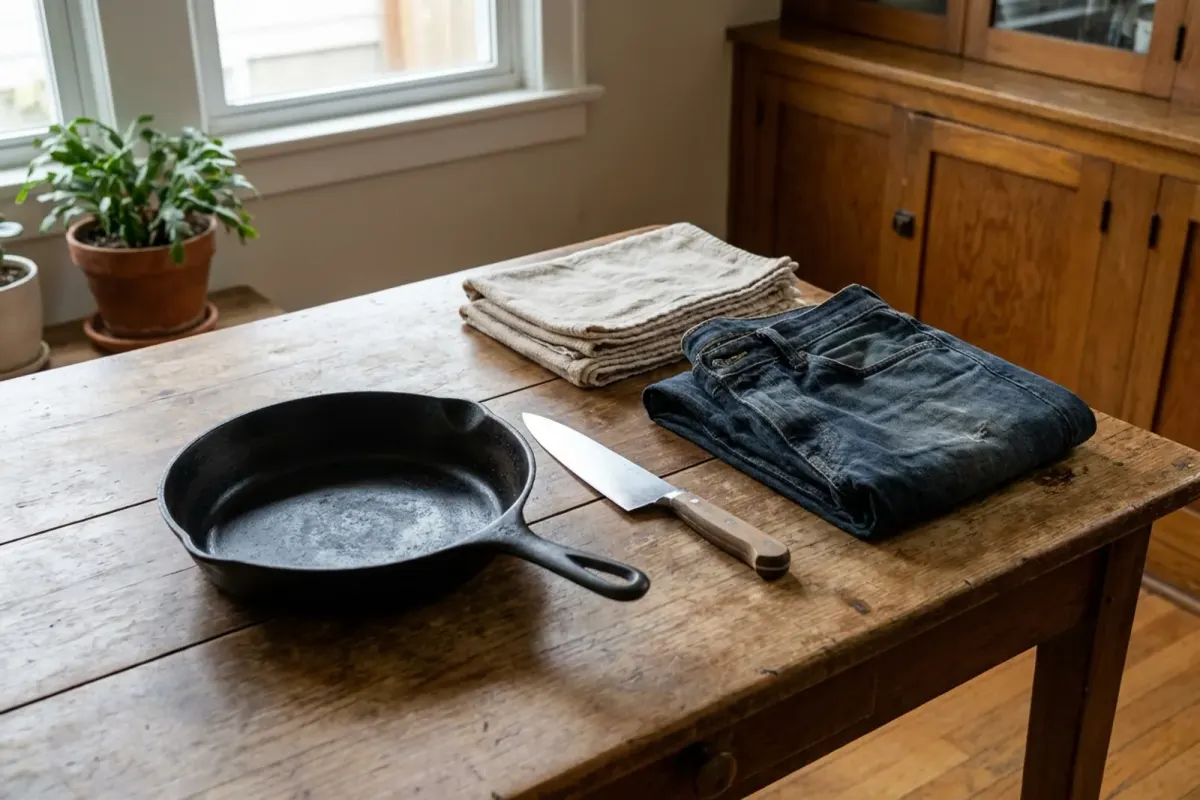
A knife that feels dull usually isn't worn out. It needs honing or sharpening. A good knife that's sharpened a few times a year can last decades.
3. Good pans
Stainless steel and cast-iron pans can last a lifetime. Stuck-on food comes off with a soak and baking soda, and rusty cast iron can be scrubbed and re-seasoned. Nonstick is the exception: replace it once the coating is visibly scratched or flaking.
4. Smartphones with tired batteries
If the main complaint is battery life, a battery replacement often costs a fraction of a new phone and can give it another couple of years.
5. Towels that have gone stiff
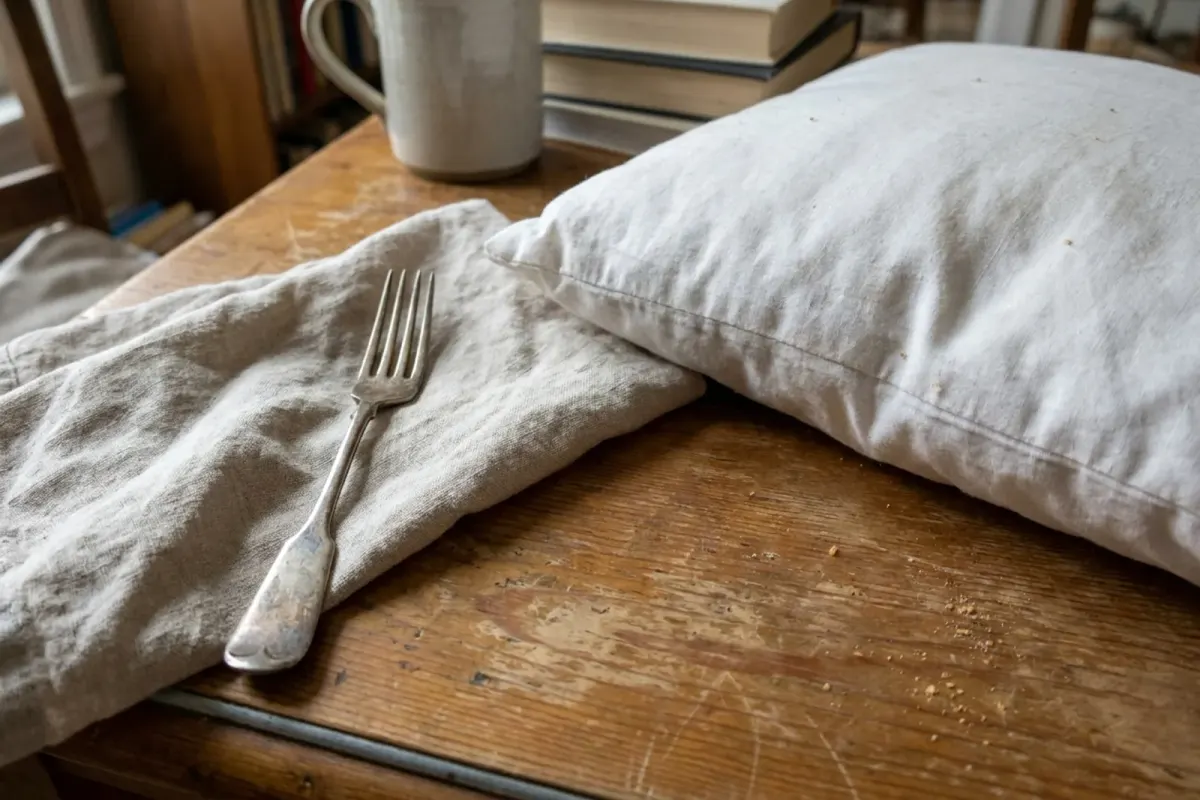
Rough, flat towels are usually clogged with detergent and fabric-softener residue, not worn out. Washing them with less detergent and skipping the softener often brings them back. (We explain how in our towel guide.)
6. Jeans
Washing jeans after every wear fades and weakens them faster. Many denim makers suggest washing far less often, inside out, in cold water, and air-drying.
7. Food past its "best before" date
"Best before" is about quality, not safety. Dry goods such as pasta, rice and tinned food are often fine past that date if the packaging is intact. "Use by" dates on fresh meat, fish and dairy are different: stick to those.
Not replacing often enough
1. Your toothbrush
Dental associations generally recommend a new toothbrush or brush head every three to four months, or sooner if the bristles are splayed. A worn brush cleans less well.
2. Your kitchen sponge
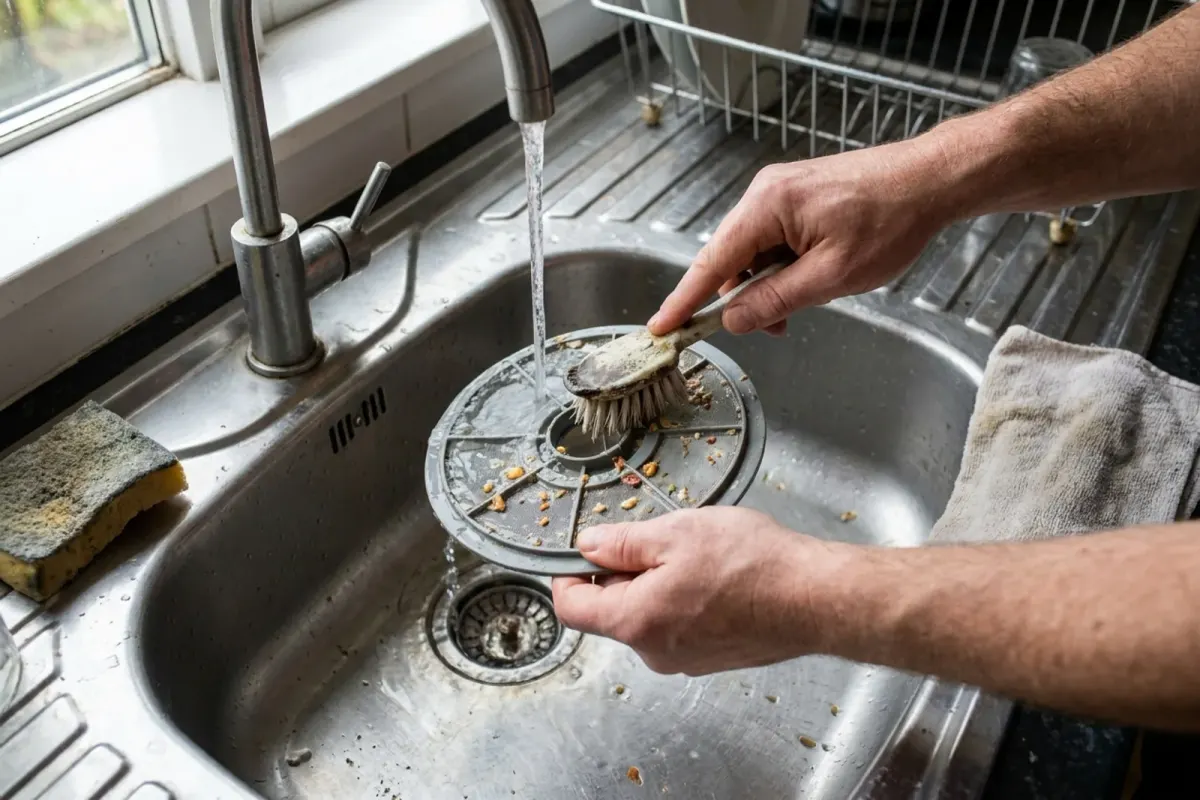
Kitchen sponges are warm, damp and full of food scraps, which makes them a favourite home for bacteria. Replace them often, every week or two is a common rule of thumb, and let them dry out between uses. A dish brush that dries quickly is a good alternative.
3. Your smoke alarms
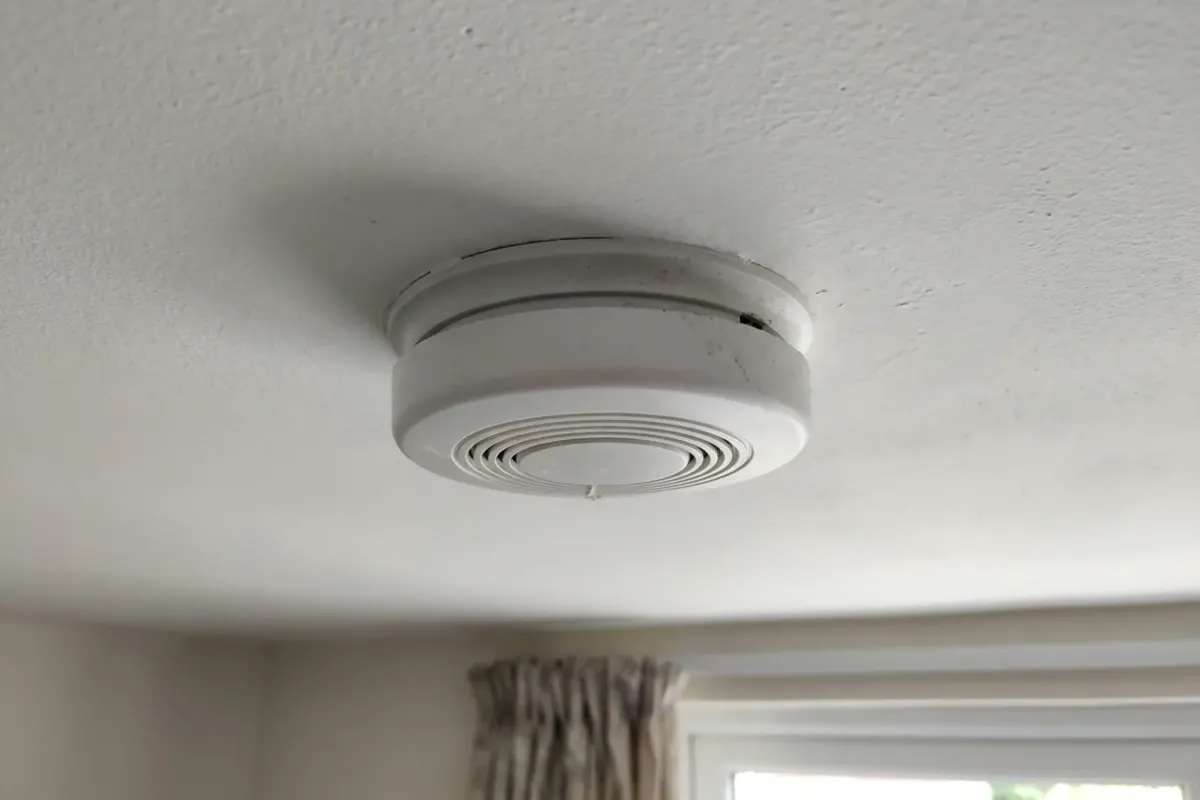
Smoke alarms don't last forever. Most manufacturers and fire-safety organisations recommend replacing the whole alarm about every 10 years, even if it still beeps when you press the test button. Look for a manufacture date on the back. Test them monthly in the meantime.
The rule of thumb
Things made to be maintained (knives, good pans, cars, quality clothing) usually need care, not replacement. Things that touch germs every day or protect you from danger usually need replacing sooner than you'd think.
Spotted a mistake? Tell us and we’ll fix it.