Why Your Towels Stopped Being Fluffy, and How to Fix It
New towels feel like a hotel. A few months later they're stiff, flat and somehow less absorbent. The cause is usually in the washing machine, not the towel.
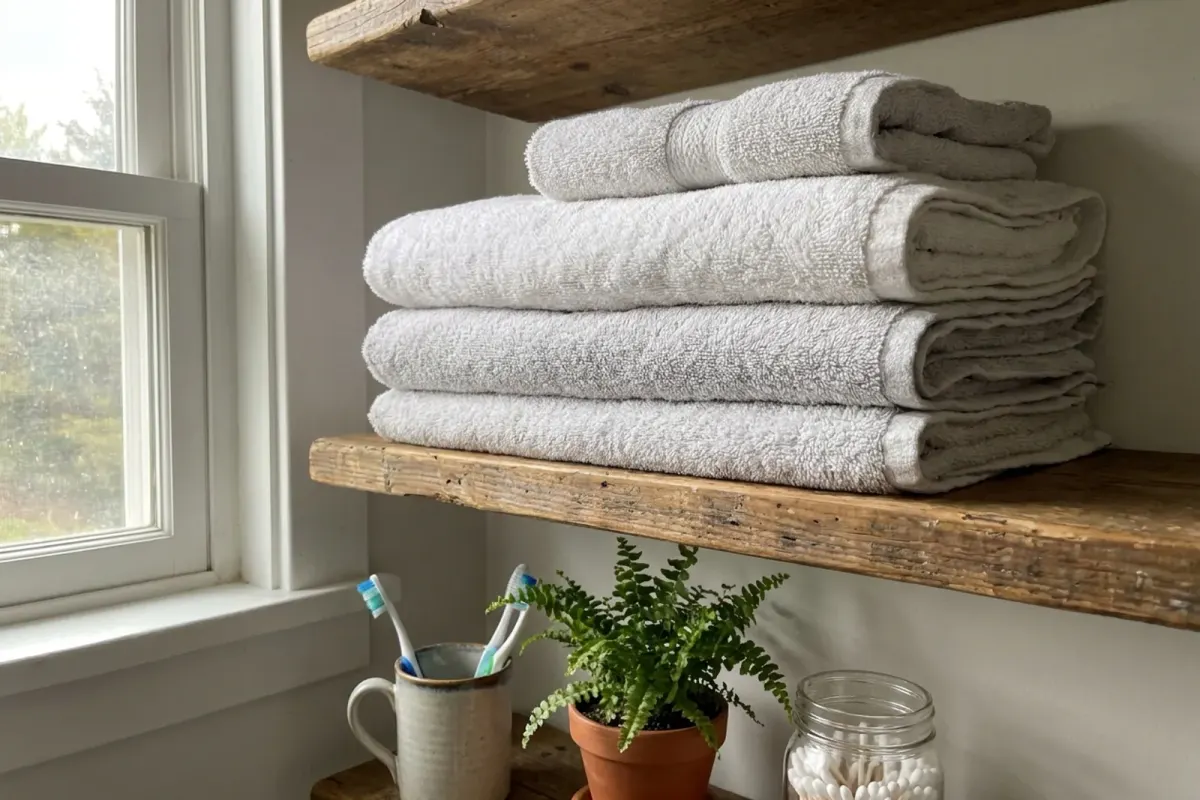
There's nothing quite like a brand-new towel. Then, slowly, it turns rough and scratchy and stops drying you properly. Most of the time the towel isn't worn out. It's coated in something. The good news is that it's usually fixable.
Why towels go stiff
Too much detergent
Detergent that isn't fully rinsed out builds up in the cotton loops, making them stiff and less absorbent. It's the most common cause, and using "a bit extra to be safe" makes it worse.
Fabric softener
It feels like it should make towels softer, and at first it does. But softener works by coating the fibres in a thin waxy layer. Over time, that layer builds up, and water has a harder time getting in. Towels end up feeling smooth but repelling water.
Hard water
Minerals in hard water can build up in the fabric, leaving towels feeling crunchy. If your kettle gets limescale quickly, this may be part of the problem.
An overloaded machine
Towels need room to move and rinse properly. A packed drum leaves detergent behind.
Too much heat
Very hot tumble drying for long periods can damage cotton fibres and leave towels harsher over time.
How to bring them back
1. Strip out the build-up
Wash the towels on a warm cycle with no detergent and no softener. Some people add a cup of white vinegar to the rinse cycle to help break down residue. Check your machine's manual first, as some manufacturers advise against using vinegar often. Run a second rinse if they still feel coated.
2. Use less detergent from now on
Use the amount on the pack for a lightly soiled load, or even a little less. Towels aren't usually very dirty: they're mostly damp.
3. Skip the fabric softener
Leave it out completely. If you want softness, a handful of wool dryer balls in the tumble dryer helps separate the fibres.
4. Don't overload
Wash towels in a load with room to move. Ideally wash them separately from clothes, especially anything with zips.
5. Shake before drying
Give each towel a good shake when it comes out of the washer to fluff up the loops. Then tumble dry on a medium heat, or line-dry and finish with ten minutes in the dryer.
6. Dry them fully between uses
A towel that stays damp on the floor or a crowded hook can start to smell musty. Hang it spread out, so air reaches both sides.
When it really is time for new towels
If your towels are thin, fraying at the edges, or still smell musty after a proper wash, they've earned their retirement. Old towels make excellent cleaning cloths, or animal shelters may be glad to have them.
Spotted a mistake? Tell us and we’ll fix it.