Can Pocket Translators Really Replace a Phrasebook?
Handheld translators and phone apps have become remarkably good. Here's what they do well, where they still stumble, and why a few memorised phrases still matter.
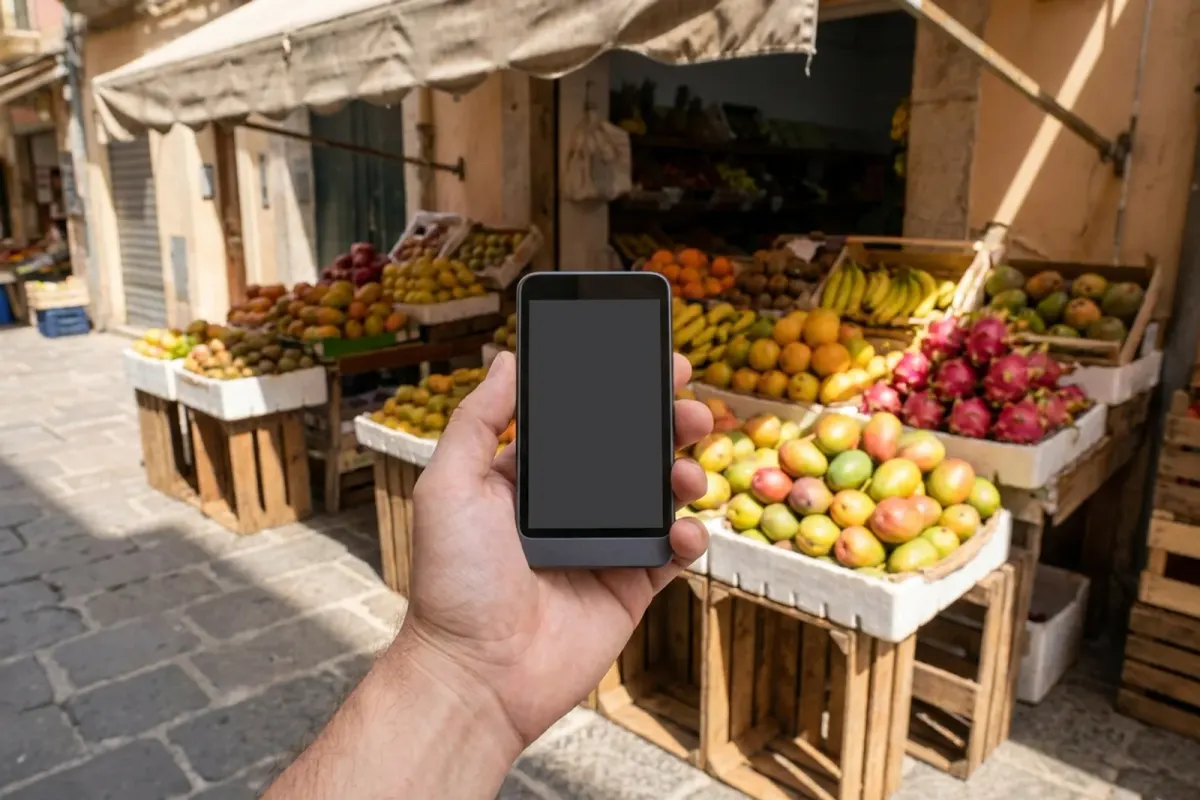
Not long ago, travelling somewhere you didn't speak the language meant a phrasebook, some pointing and a lot of goodwill. Today you can speak into a device and hear a reply in another language a second later. So is the phrasebook finally dead?
Mostly, but not completely.
What a pocket translator is
There are two main types:
- Translation apps on your smartphone. Many are free and handle dozens of languages, by voice, text or by pointing your camera at a sign or menu.
- Dedicated handheld translators. Small devices built just for translation, usually with good microphones, a speaker and sometimes their own data connection.
Both work in a similar way: they listen, turn speech into text, translate it, and read it out.
What they do really well
Everyday conversations. Ordering food, asking directions, checking in and buying tickets all work well. These are short, simple sentences, which is exactly what translation software handles best.
Reading signs and menus. Camera translation is one of the most useful travel tools ever made. Point it at a menu and the translation appears on your screen.
Many languages at once. A phrasebook covers one language. A device or app covers dozens.
Speed. For simple sentences, the delay is now often only a second or two.

Where they still stumble
Noise. Busy streets, train stations and markets can confuse the microphone. Dedicated devices usually cope better than phones here.
Slang, jokes and accents. Software is trained on standard language. Regional dialects, fast speech and humour can come out strange.
Context and politeness. Many languages change depending on who you're talking to: formal or informal, older or younger. Translators don't always pick the right tone.
No signal. Many tools work best online. Some apps let you download languages for offline use, but offline translation is often less accurate. Download your language before you go.
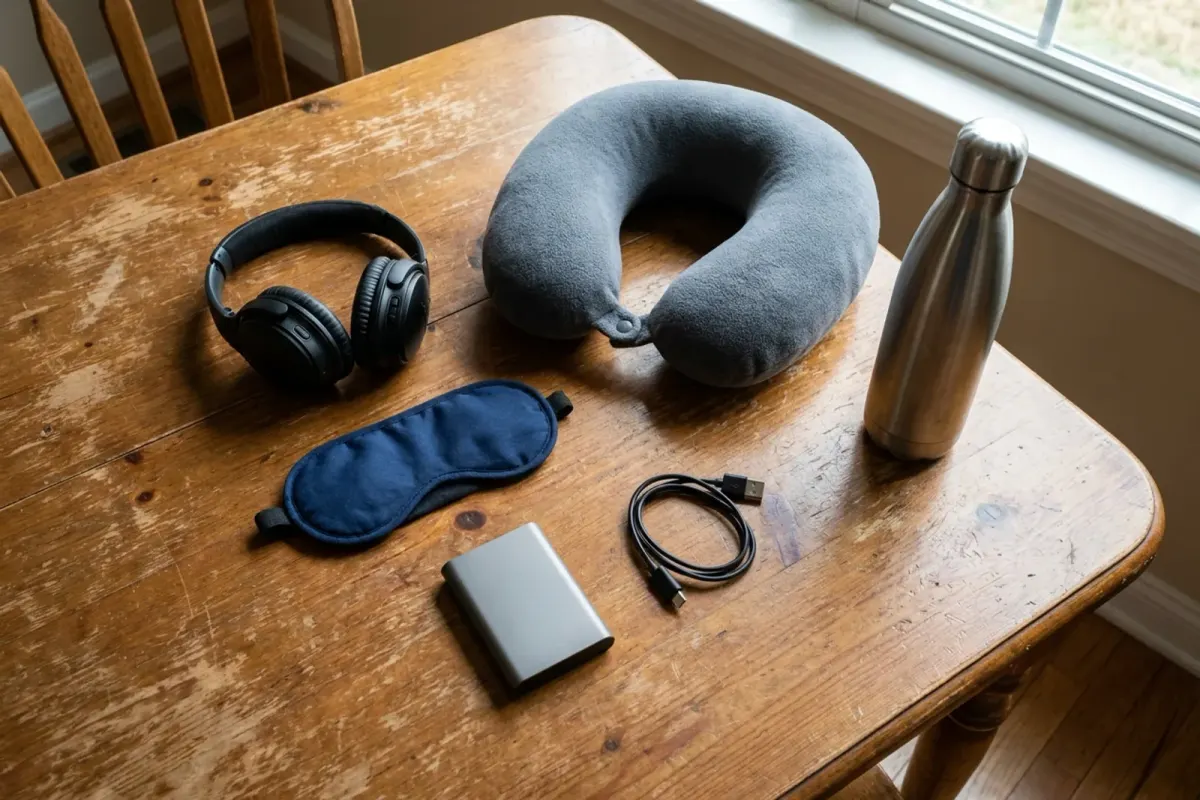
Battery. A flat phone means no translator. Carry a power bank.
Why a few phrases still matter
Even with a great translator, it's worth learning a handful of words:
- Hello and goodbye
- Please and thank you
- Excuse me and sorry
- "Do you speak English?"
- Numbers one to ten
People often respond warmly when you make the effort, even if you switch to a translator straight afterwards. Those phrases also work when your battery doesn't.
The verdict
For most travellers, a good translation app, or a dedicated device if you travel a lot to noisy places, has replaced the phrasebook for practical tasks. But a few words of the local language still open doors that technology can't. Use both.
Spotted a mistake? Tell us and we’ll fix it.