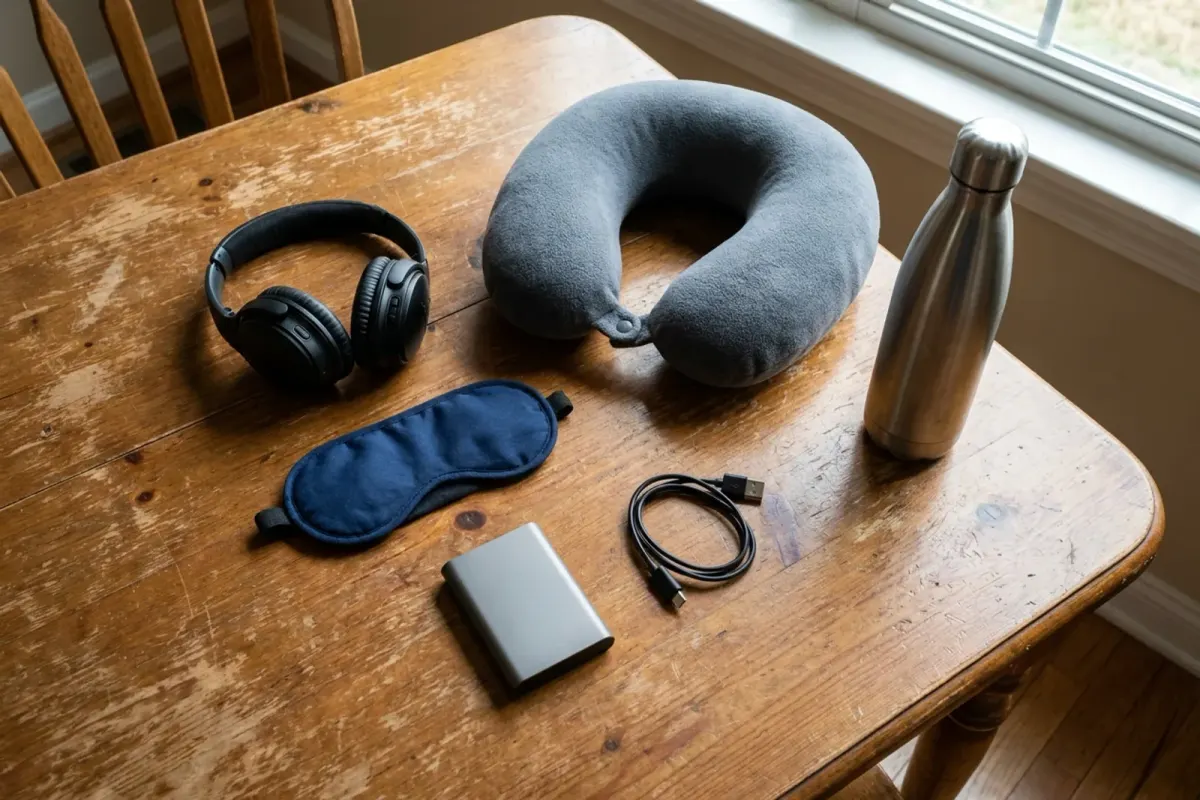
The Travel Hacks Flight Attendants Actually Use
People who fly for a living have turned packing, sleeping and surviving long days in the air into a routine. These are the habits cabin crew mention again and again.
Cabin crew pack, unpack, change time zones and sleep in different hotels several times a week. Over the years they've worked out what makes travel easier. You won't find secret tricks here, just practical habits that come up again and again when flight attendants talk about their routines.
Pack light, pack the same way every time
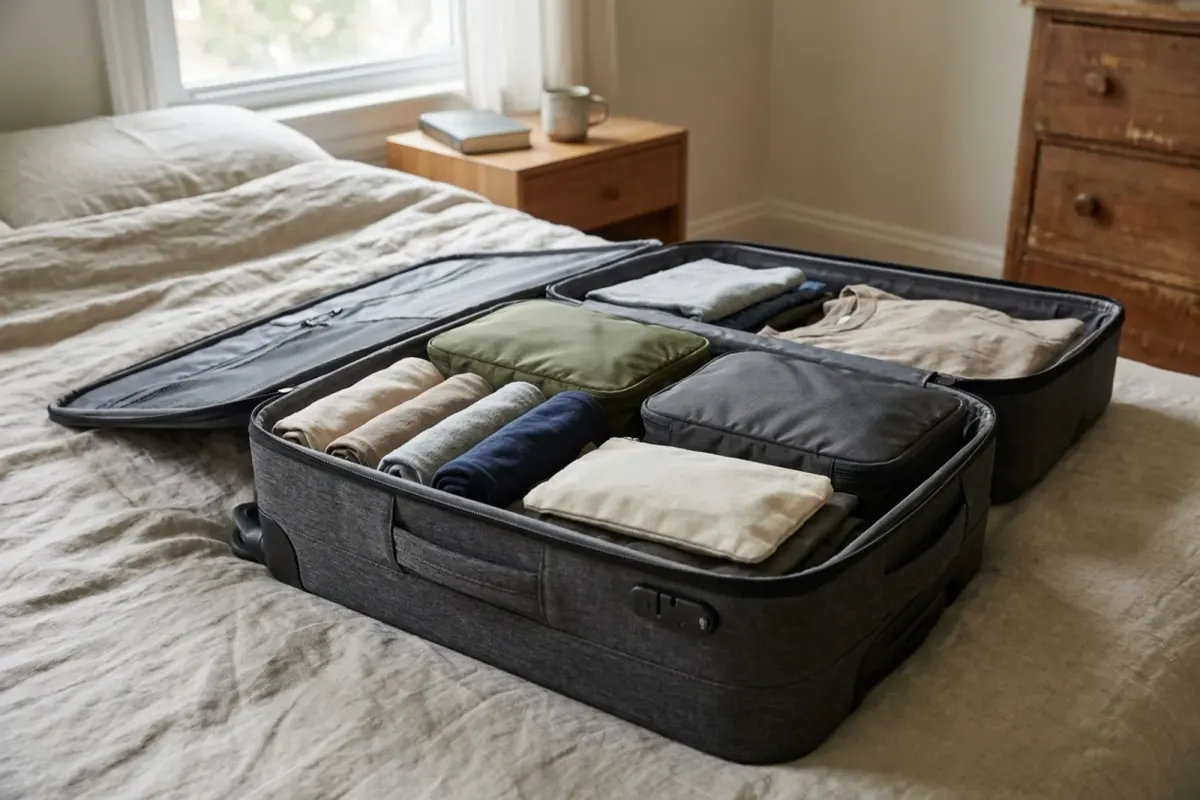
Roll, don't fold. Rolled clothes take up less room and crease less. Many crew combine rolling with packing cubes to keep each type of clothing together.
Use a fixed packing list. Crew pack so often that they keep the same list and the same layout. When everything has its place, it's obvious if something is missing.
Keep a ready-made toiletry bag. A second set of travel-size toiletries that stays packed means you never forget a toothbrush.
Choose clothes that mix and match. A few pieces in neutral colours that all go together make a small bag work for a long trip.
Look after yourself on board
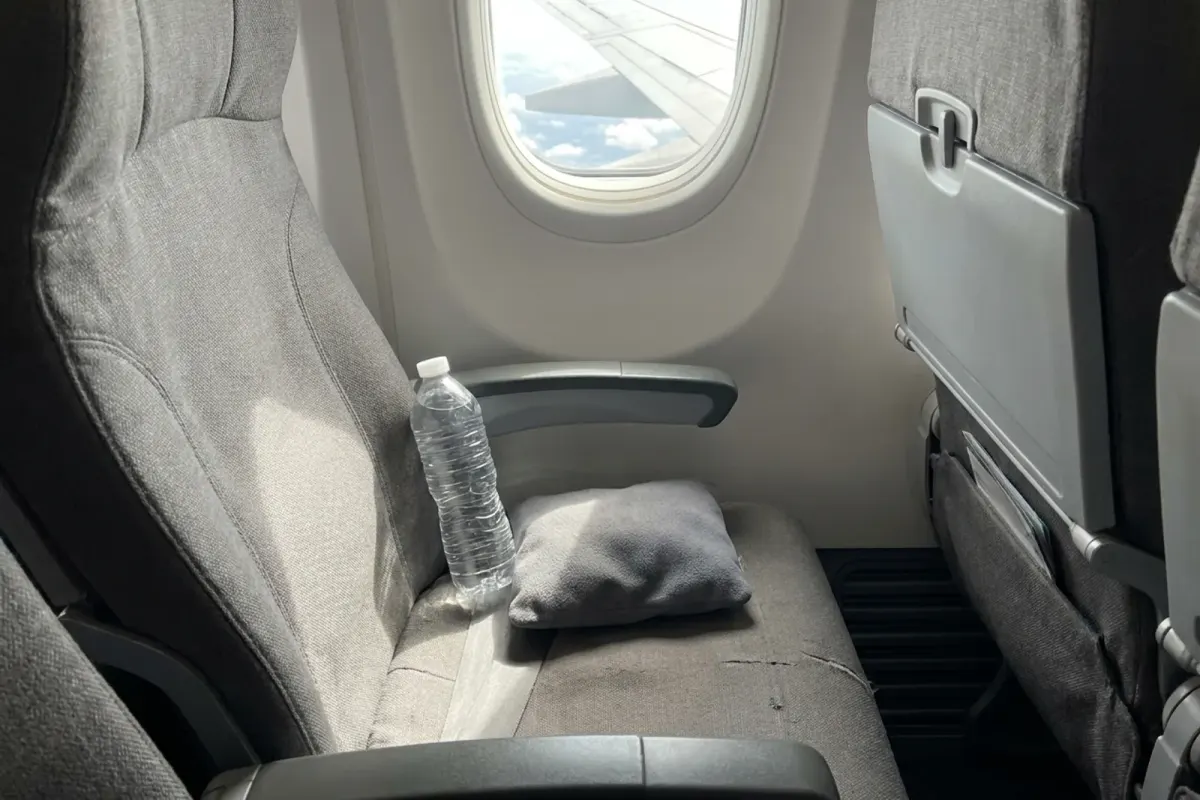
Drink water steadily. Cabin air is very dry. Crew sip water throughout the flight rather than drinking a lot at once, and many go easy on alcohol and salty snacks.
Wear compression socks on long flights. Lots of crew swear by them for less swollen legs and feet after hours on board. If you have a circulation condition, ask a doctor which kind suits you.
Move around. Walk the aisle when you can, and rotate your ankles and flex your calves in your seat.
Moisturise. Lip balm, hand cream and a small face moisturiser make a dry cabin much more bearable.
Small things that save time
Carry a pen. Arrival forms still exist in many countries, and borrowing a pen at the end of a flight is a race nobody wins.
Keep essentials in one small pouch. Passport, phone, charger, lip balm and earplugs in one place you can reach without opening the overhead bin.
Photograph your parking spot and hotel room number. After a long journey, your memory is the first thing to go.
Pack a change of clothes in your carry-on. If your checked bag goes missing, you'll still have something fresh to wear.
Beat jet lag (a little)
Switch to local time straight away. Eat and sleep on the new schedule from day one, even if it's hard.
Get outside in daylight. Natural light is the strongest signal for resetting your body clock.
Nap short. If you must nap, keep it to around 20 to 30 minutes, so it doesn't steal your night's sleep.
In the hotel
Check the room before you unpack. Crew often do a quick check that the door locks properly, and know where the nearest exit is.
Bring a clip for the curtains. A binder clip or clothes peg closes the gap that lets in streetlight.
Leave nothing behind. A final sweep of the bathroom, the safe and the chargers in the wall before you go.
None of these need special gear, and together they make even a long travel day feel calmer.
Spotted a mistake? Tell us and we’ll fix it.